
Congressional Directive on Unregulated Cannabinoid Products
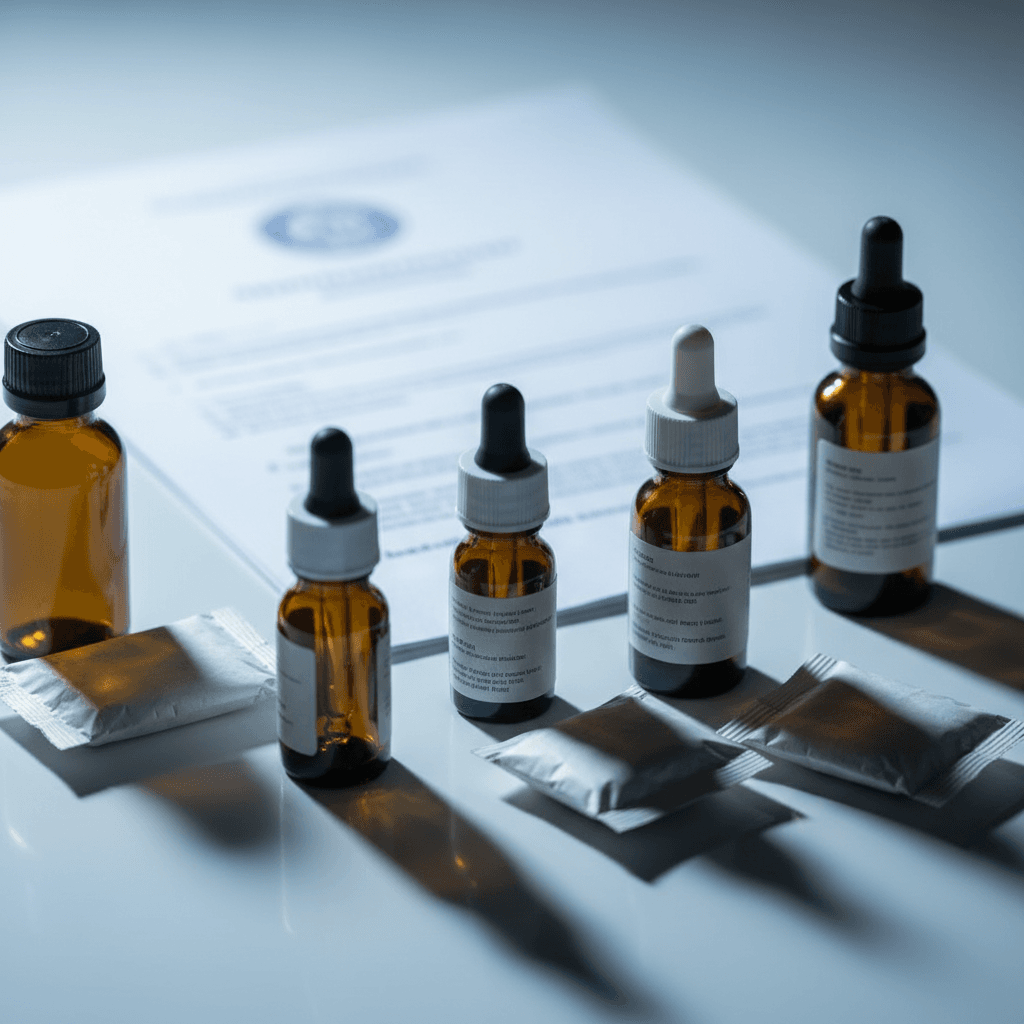
A U.S. congressional committee is expected to approve a report directing federal officials to initiate enforcement actions against unregulated cannabinoid products that are perceived to pose a risk to consumer safety. The House Appropriations Committee is scheduled to consider a Fiscal Year 2027 spending bill for Commerce, Justice, Science, and Related Agencies, which includes an attached report containing this directive, according to a report by Marijuana Moment.
The directive specifically calls upon the Drug Enforcement Administration (DEA) and the Food and Drug Administration (FDA) to address the “proliferation of Federally unregulated ingestible, inhalable, and topical products that contain intoxicating cannabinoids.” The committee’s concern centers on products that fail to meet the statutory definitions outlined in Section 10113 of Public Law 115–334 and Section 781 of Public Law 119–37. These sections pertain to the 2018 Farm Bill, indicating the directive is responsive to the widespread sale of hemp-derived products that became legal under that legislation.
The report mandates the DEA, in coordination with the FDA Office of Inspections and Investigations, to undertake appropriate enforcement actions. Furthermore, the DEA is directed to submit a report on these efforts and any necessary resources for enforcing controlled substance laws and regulations within 90 days of the Act’s enactment.
Broader Legislative Context and Enforcement Efforts
While the directive focuses on current unregulated cannabinoid products, it operates within a dynamic legislative landscape. Congress has passed, and President Donald Trump signed, new legislation that will broadly recriminalize hemp THC products starting in November. This context underscores the evolving regulatory environment for cannabinoid-derived goods.
In related legislative developments, the underlying spending legislation to which this report is attached contains a provision to block federal officials from taking further steps to reschedule cannabis. It also includes an updated version of a longstanding rider, in place since 2014, designed to protect state medical cannabis programs from federal interference. Separately, the House Appropriations Committee previously approved a spending bill expressing concerns about potential health risks from cannabis-derived products, while also encouraging research into the potential benefits of psychedelics. The full House also recently passed a Farm Bill without provisions to delay or alter the federal recriminalization of hemp THC products scheduled for later this year.
Money Laundering and Illicit Operations
Beyond cannabinoid product enforcement, the appropriations report also directs the Department of Justice to utilize anti-money laundering program funds to investigate potential money laundering schemes. These investigations are to focus on Chinese Communist Party (CCP)-connected marijuana businesses and entities providing financial services to them within the U.S.
Bureau of Prisons Wastewater Surveillance
The report allocates $8.5 million to the Bureau of Prisons (BOP) for a pilot program implementing a wastewater surveillance system. This system aims to monitor the prevalence of infectious diseases—including Hepatitis C, HIV, tuberculosis, and respiratory pathogens—as well as the use of covered drugs, including fentanyl, nitazenes, and other synthetic opioids, methamphetamine, synthetic cannabinoids, and other controlled substances, among incarcerated populations. The pilot is to be conducted at not fewer than six federal correctional institutions, with sites selected to ensure representation across security classification levels, geographic regions, and institutional population sizes. The BOP is required to submit a report detailing findings regarding the prevalence of infectious diseases and covered drug use at participating institutions, along with recommendations for legislative or administrative action within 180 days of the pilot program’s completion.
Disclaimer: This article is for informational purposes only and does not constitute medical advice. Hemp Gazette does not provide medical recommendations, diagnoses, or treatment plans. Always consult a qualified healthcare practitioner before making any decisions regarding your health or any medical condition. Statements concerning the therapeutic uses of hemp, cannabis, or cannabinoid-derived products have not been evaluated by Australia’s Therapeutic Goods Administration (TGA). Medicinal cannabis products in Australia are accessed via prescription pathways under TGA regulation.