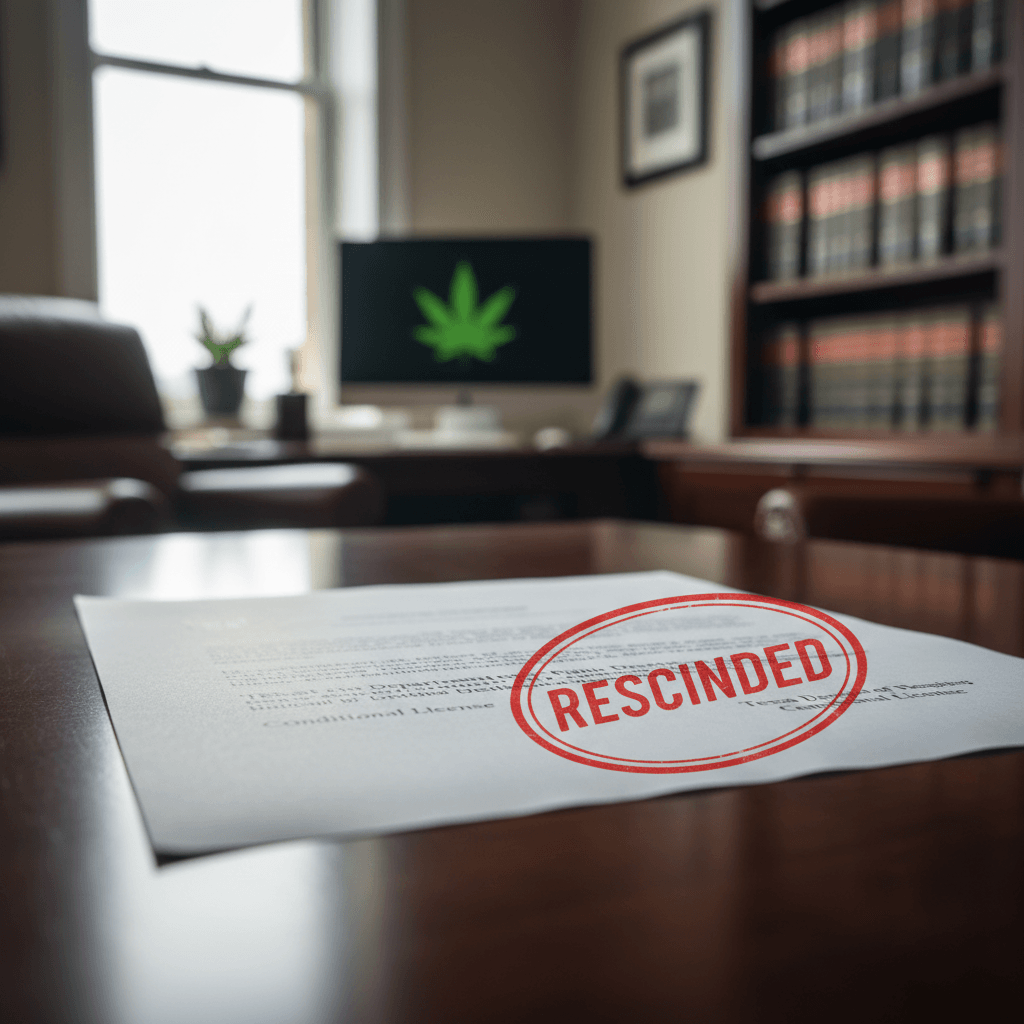
The Texas Department of Public Safety (DPS) has rescinded a conditional Texas medical cannabis license previously awarded to Cresco Labs Texas LLC. This decision follows a retroactive correction to the tabulation methodology employed in the conditional license selection process for the Texas Compassionate Use Program (TCUP).
Cresco Labs Inc. provided an update on May 11, 2026, confirming that the DPS’s revised tabulation impacted multiple applicants. The company’s subsidiary, Cresco Labs Texas LLC, has now been placed on the TCUP eligibility list instead of holding a conditional license.
Revised Tabulation and License Rescission
The DPS’s announcement detailed a change in how applications were scored, leading to a re-evaluation of the conditional licenses. This adjustment resulted in the withdrawal of the license initially granted to Cresco Labs Texas LLC. The company maintains that its application met the criteria for a conditional license, consistent with the DPS’s original assessment.
According to Cresco Labs, it is currently evaluating its options to engage with the state to uphold its initial determination. The company has indicated its readiness to deploy operational and capital resources into Texas once regulatory approval is secured.
Implications for the Texas Compassionate Use Program
Under House Bill 46, the 12 conditional licensees identified through the new tabulation methodology are subject to ongoing due diligence by the DPS. These licensees are also required to become fully operational within 24 months of receiving their licensure. Should any of these conditional licensees fail to satisfy these requirements, Cresco Labs Texas LLC remains eligible to receive a conditional TCUP license.
Charlie Bachtell, CEO of Cresco Labs, stated, “Cresco Labs has a multistate track record of building patient-first medical cannabis programs in highly regulated markets, and we remain confident in our application’s merits, reflected in the Department’s original award.” He further affirmed the company’s commitment to the Texas medical cannabis program, citing its operational capability, capital position, and patient-centered approach as assets for serving Texas patients.
Market Context and Regulatory Landscape
The rescission of a conditional Texas medical cannabis license for a prominent multi-state operator like Cresco Labs underscores the evolving and sometimes complex regulatory environment within the U.S. medical cannabis sector. State-level programs, such as the TCUP, frequently undergo adjustments to their administrative processes, which can affect market participants.
This development highlights the importance of regulatory compliance and the potential for shifts in licensing outcomes based on revised governmental interpretations or methodologies. For companies operating or seeking to operate in regulated markets, understanding and adapting to such changes is a continuous requirement.
Disclaimer: This article is for informational purposes only and does not constitute medical advice. Hemp Gazette does not provide medical recommendations, diagnoses, or treatment plans. Always consult a qualified healthcare practitioner before making any decisions regarding your health or any medical condition. Statements concerning the therapeutic uses of hemp, cannabis, or cannabinoid-derived products have not been evaluated by Australia’s Therapeutic Goods Administration (TGA). Medicinal cannabis products in Australia are accessed via prescription pathways under TGA regulation.