
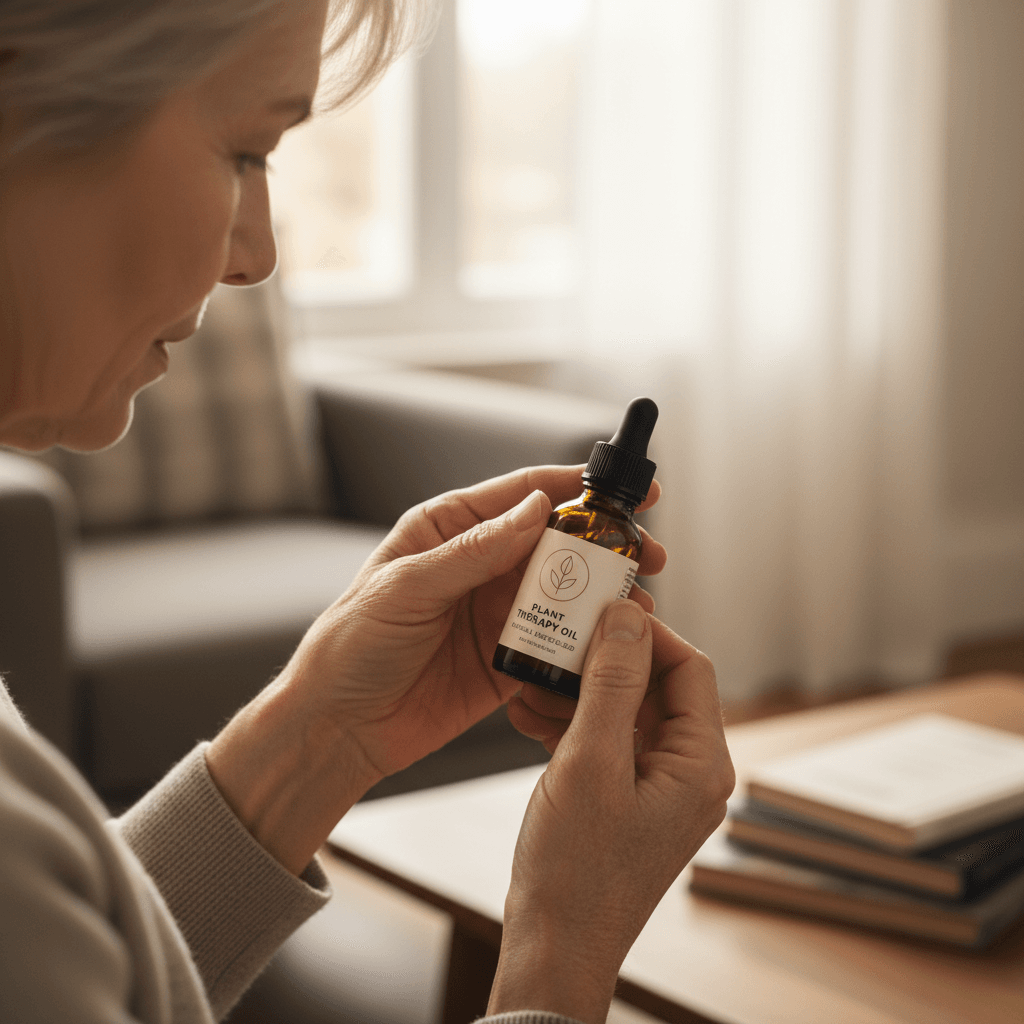
A federally funded study, released by the American Medical Association (AMA), indicates that many older adults are exploring medicinal cannabis as an alternative to traditional pharmaceuticals. The research suggests this demographic often seeks to avoid potential negative effects associated with conventional medications or has exhausted other treatment options for conditions such as chronic pain or sleep disturbances.
Published in JAMA Network Open, the study examined the motivations driving older adults, identified as the fastest-growing demographic of cannabis consumers in the U.S., towards this option. Researchers from the University of Utah Health and the University of Colorado Boulder, with support from the National Institutes of Health (NIH), conducted a qualitative study involving 169 adults aged 60 or older. These participants were seeking relief from age-related ailments and aiming for an improved quality of life, as reported by Marijuana Moment.
Motivations for Exploring Medicinal Cannabis
The study’s findings provide preliminary insights into why older adults are increasingly turning to medicinal cannabis. Researchers noted a significant reluctance among many participants to use traditional pharmaceutical treatments.
- Concerns about Adverse Effects: Participants frequently expressed worries about adverse effects, long-term health risks, or dependency associated with pharmaceutical medications, viewing cannabis as a potentially safer alternative.
- Exhaustion of Other Options: Many reported having tried and exhausted various pharmacologic and non-pharmacologic approaches, such as therapy, acupuncture, or massage, for symptom management before considering cannabis.
- Symptom Management: Individuals experiencing substantial physical and mental health burdens sought cannabis to address new or escalating symptoms related to pain, sleep disturbances, or mood changes.
- Personal Networks and Information: Some participants were motivated by information about potential benefits shared through personal networks, medical discussions, and media sources.
Rebecca Delaney, assistant professor of population health sciences at University of Utah Health and a co-author of the study, highlighted that participants primarily sought “better quality of life, reducing their pain, getting better sleep, and being able to enjoy time with family and friends a little bit more.”
Product Preferences and Considerations
The study also explored product preferences among older adults. A majority (58 percent) of participants chose edible products combining THC and non-intoxicating CBD. In comparison, 29 percent selected CBD-dominant products, and 14 percent opted for THC-dominant edibles.
Common Concerns Identified:
- THC-Containing Products: The most frequently cited concern for products with THC (either dominant or in combination with CBD) was the possibility of “getting high or being impaired.”
- CBD-Dominant Products: For CBD-only products, the primary concern was the perception of “limited efficacy.”
The most common health conditions older adults intended to use cannabis for were sleep (57 percent), pain (50 percent), and mental health (25 percent). Angela Bryan, senior author of the study, commented that “For the most part, we found that these folks aren’t really interested in getting high. They just want to feel better.”
Implications for Clinical Guidance
The study concludes by emphasising that as access to cannabis becomes more widespread, older adults are increasingly using it for symptom management related to aging, beyond recreational use. The researchers noted that without adequate medical consultation, patients face numerous decisions without clear information regarding product selection.
Given the preference for combination CBD and THC products, the study suggests expanding research to identify the potential benefits and harms of this treatment option to inform clinical guidance. Future efforts, according to the authors, should focus on equipping practitioners with practical tools and creating accessible patient resources to ensure older adults can make informed choices about edible cannabis products as part of their care.
This aligns with other recent research, including a study involving over 3,500 patients, which has indicated a potential association between using medicinal cannabis and a reduction in the use of other medications, such as opioids, sleeping aids, and antidepressants, with participants reporting fewer negative side effects after transitioning from prescription drugs.
Disclaimer: This article is for informational purposes only and does not constitute medical advice. Hemp Gazette does not provide medical recommendations, diagnoses, or treatment plans. Always consult a qualified healthcare practitioner before making any decisions regarding your health or any medical condition. Statements concerning the therapeutic uses of hemp, cannabis, or cannabinoid-derived products have not been evaluated by Australia’s Therapeutic Goods Administration (TGA). Medicinal cannabis products in Australia are accessed via prescription pathways under TGA regulation.