
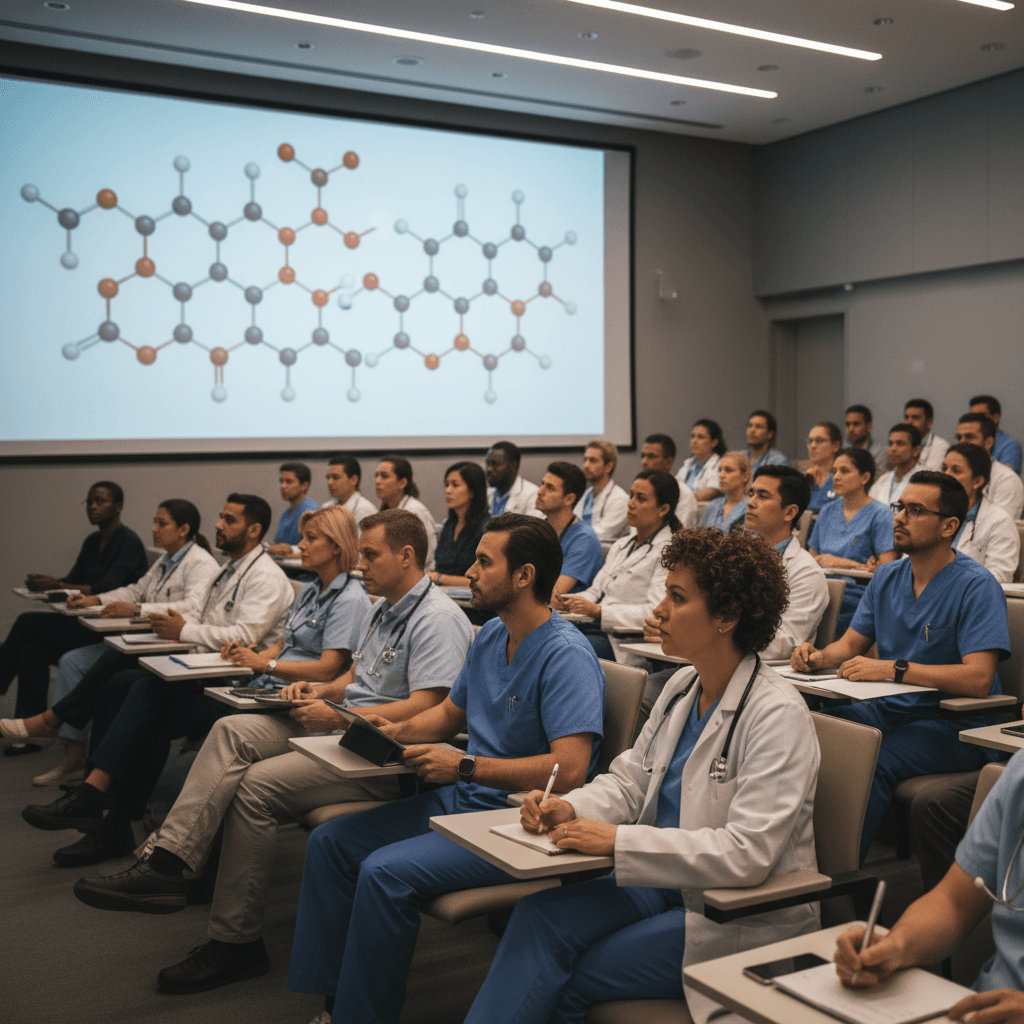
The evolving regulatory landscape surrounding medicinal cannabis, particularly recent rescheduling efforts in some jurisdictions, underscores an increasing demand for comprehensive medical cannabis education among healthcare professionals. As patient interest and product use continue to rise, clinicians across various specialties are encountering more patients who use cannabis-based products, necessitating a deeper understanding of cannabinoid science and clinical management.
This growing need has prompted educational initiatives, such as a new 4-credit CME/CE course, “Cannabis and Cannabinoids in Clinical Practice,” launched by TheAnswerPage.com. According to a press release published by National Law Review, this program aims to equip physicians, nurses, pharmacists, and other healthcare providers with evidence-based knowledge.
The Evolving Landscape of Clinician Knowledge
Despite the increasing prevalence of medicinal cannabis use, many healthcare professionals report having received limited formal education in cannabinoid pharmacology, potential health effects, adverse reactions, or drug interactions. This knowledge gap can present challenges in providing informed patient guidance.
Addressing the Knowledge Gap
Dr. Meredith Fisher-Corn, Editor-in-Chief of TheAnswerPage.com and author of the new course, highlighted that patients are often making healthcare decisions involving cannabis with incomplete or inaccurate information. She emphasised the importance of clinicians being able to interpret evidence objectively, identify potential harms, recognise where therapeutic benefit may exist, and provide thoughtful, individualised guidance.
Dr. Stephen B. Corn, Founder of TheAnswerPage.com, noted that the recent medical cannabis rescheduling is likely to accelerate patient interest and demand for guidance from healthcare professionals. This situation means that clinicians require balanced, evidence-based education more than ever to understand current therapeutic evidence, safety considerations, risks, and how to counsel patients responsibly.
Comprehensive Training for Healthcare Professionals
The newly launched “Cannabis and Cannabinoids in Clinical Practice” course is structured to provide practical, clinically relevant guidance grounded in current evidence. It is designed to help close the existing educational gap for a wide range of medical professionals.
- How Cannabis Works in the Body: This section reviews the endocannabinoid system, cannabinoid pharmacology, various routes of administration, pharmacokinetics, product variability, and clinically relevant drug interactions.
- Clinical Effects and Therapeutic Use of Cannabis: This part examines cannabis-related effects across major organ systems, evaluates therapeutic evidence for commonly cited conditions, reviews cannabis use in high-risk populations, and addresses important clinical complications such as cannabis use disorder (CUD) and cannabinoid hyperemesis syndrome (CHS) through practical case-based scenarios.
The program also places emphasis on critical appraisal of evidence, assisting clinicians in distinguishing high-quality clinical data from marketing claims, anecdotal reports, and misinformation. This approach supports clinicians in communicating more effectively with patients and offering balanced, evidence-based guidance.
Navigating Future Patient Care with Medical Cannabis Education
The need for robust medical cannabis education extends across numerous medical specialties, including primary care, emergency medicine, anaesthesia, psychiatry, neurology, oncology, cardiology, gastroenterology, geriatrics, paediatrics, obstetrics and gynaecology, and pharmacy practice.
TheAnswerPage.com has a history of providing accredited continuing medical education in this field, developing programs designed to improve decision-making and patient care. Their efforts contribute to ensuring that healthcare providers are prepared to navigate the complexities of medicinal cannabis in clinical practice responsibly.
Disclaimer: This article is for informational purposes only and does not constitute medical advice. Hemp Gazette does not provide medical recommendations, diagnoses, or treatment plans. Always consult a qualified healthcare practitioner before making any decisions regarding your health or any medical condition. Statements concerning the therapeutic uses of hemp, cannabis, or cannabinoid-derived products have not been evaluated by Australia’s Therapeutic Goods Administration (TGA). Medicinal cannabis products in Australia are accessed via prescription pathways under TGA regulation.