
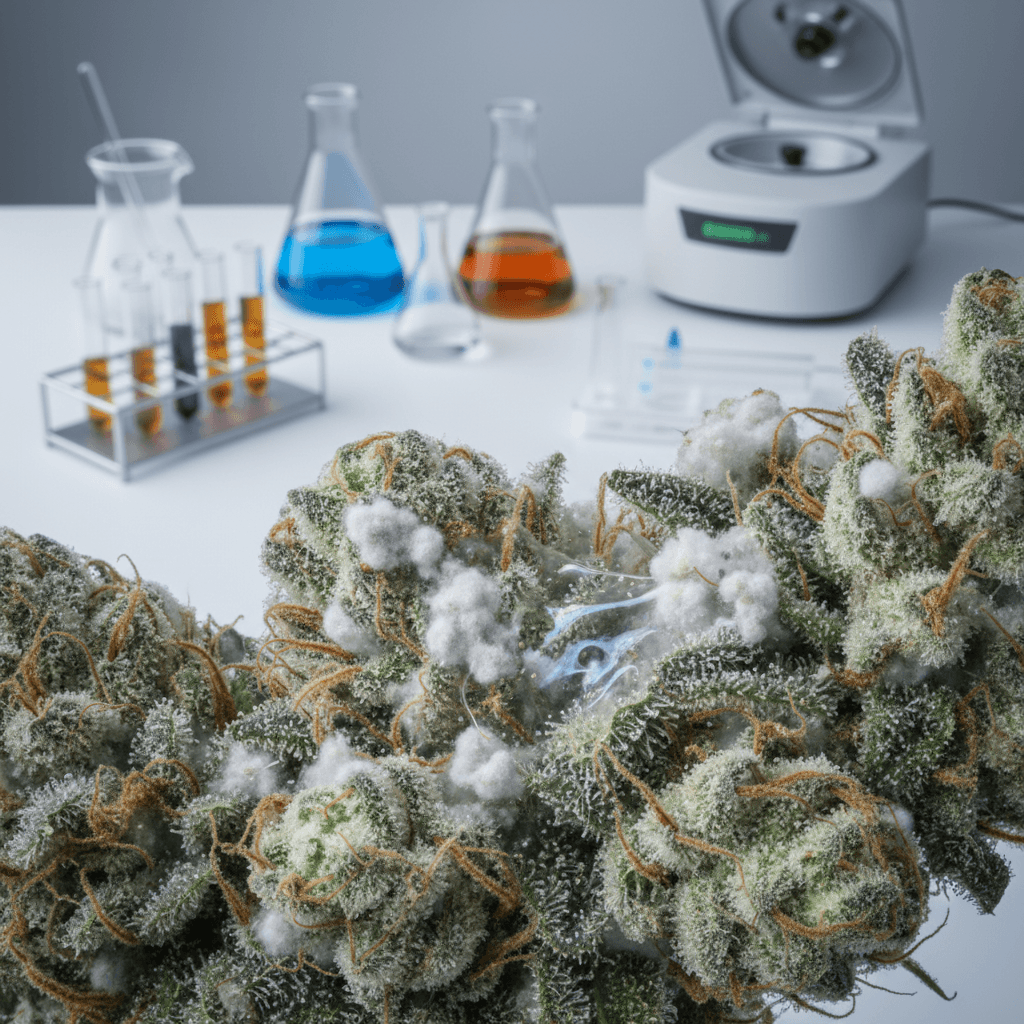
The issue of medical cannabis contamination has once again come to the forefront, with Maine’s Office of Cannabis Policy (OCP) issuing a patient advisory following the detection of unsafe levels of yeast, mold, and pesticides in certain cannabis flower products. This advisory, prompted by a patient complaint in April, highlights the importance of stringent product testing and patient safety within regulated medical cannabis pathways, a critical aspect for patient confidence and health outcomes.
Investigation Reveals Unsafe Contaminant Levels in Medical Cannabis
The OCP initiated an investigation after receiving a report of an adverse health reaction linked to cannabis flower purchased from Northwoods Caregiver, LLC, located in Shirley Mills. Testing of the implicated products revealed concerning results, as detailed in the Medical Cannabis Patient Advisory from the Maine Office of Cannabis Policy. The investigation specifically identified two strains with contaminant levels exceeding established safety thresholds:
- The “Blackberry Mint” strain was found to contain unsafe levels of Total Yeast and Mold. In one sample, these levels were reported at 180,000 cfu, significantly exceeding the Adult Use Pass/Fail Threshold of 10,000 cfu, representing an 18-fold increase.
- The “Banana Punch” strain showed unsafe levels of the pesticide Piperonyl Butoxide. Samples tested at 4.81 ppm and 5.85 ppm, surpassing the 2 ppm threshold by 2.4 and 2.9 times, respectively.
- Further testing also identified unsafe levels of Piperonyl Butoxide in another sample of “Blackberry Mint,” at 3.81 ppm, which is 1.9 times the acceptable limit.
These findings underscore the potential for medical cannabis contamination to occur, even within regulated systems, and the critical role of patient reporting in identifying such issues. The OCP’s swift response to the patient complaint demonstrates the importance of regulatory oversight in protecting public health.
Understanding the Health Impacts of Contaminants
The OCP advisory provides important information regarding the potential health impacts associated with inhaling cannabis contaminated with these substances, emphasising that patients should be aware of the risks.
Yeast and Mold Contamination
Inhaling cannabis containing unsafe levels of mold and yeast can lead to a range of symptoms. Common effects, as outlined by the OCP, may include:
- Respiratory issues such as asthma, coughing, and sneezing.
- Sinus problems, headaches, dizziness, and fatigue.
- Skin rashes.
For individuals with compromised immune systems, allergies, or pre-existing asthma, the risks can be more severe, potentially worsening chronic lung conditions or leading to allergic bronchopulmonary aspergillosis. The advisory also notes that mycotoxins, biproducts of mold inhalation, may cause various health problems, from acute to chronic, and some are considered carcinogens with long-term exposure potentially leading to immune suppression.
Piperonyl Butoxide Exposure
Piperonyl Butoxide is a synergist pesticide classified as having relatively low toxicity to humans (Level 4 – harmful). However, inhalation of cannabis containing unsafe levels of this pesticide may cause:
- Irritation of the respiratory tract.
- Neurological effects.
- Flu-like symptoms.
The presence of such contaminants highlights the ongoing need for rigorous testing protocols to safeguard patient health, a concern previously discussed by Hemp Gazette in relation to medical cannabis contamination in other regions, including the UK.
Patient Guidance and Safety Protocols
The Maine OCP strongly advises any patient who has ingested these specific products and is experiencing symptoms or adverse reactions to contact a healthcare provider immediately. In the event of a medical emergency, individuals should dial 911.
This incident serves as a reminder for patients to remain vigilant about the source and quality of their prescribed medical cannabis products and to report any adverse reactions to their prescribing clinician or relevant regulatory bodies. Ensuring product safety through comprehensive testing and transparent reporting remains a cornerstone of effective medical cannabis programs, aiming to protect the well-being of all patients accessing these therapeutic options.
Disclaimer: This article is for informational purposes only and does not constitute medical advice. Hemp Gazette does not provide medical recommendations, diagnoses, or treatment plans. Always consult a qualified healthcare practitioner before making any decisions regarding your health or any medical condition. Statements concerning the therapeutic uses of hemp, cannabis, or cannabinoid-derived products have not been evaluated by Australia’s Therapeutic Goods Administration (TGA). Medicinal cannabis products in Australia are accessed via prescription pathways under TGA regulation.