
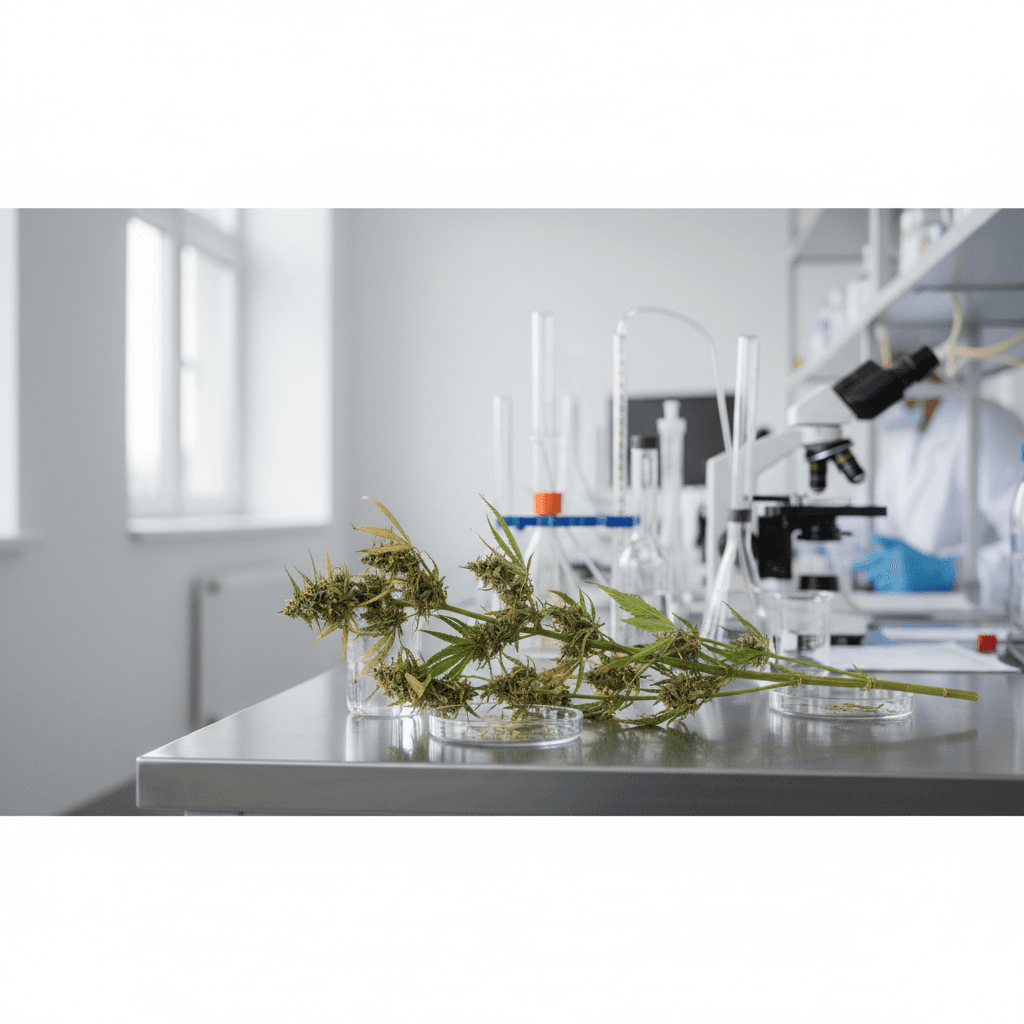
A significant Italian clinical trial investigating a cannabis-based medicine for neurodegenerative conditions has recently enrolled its first participant. The NEUROBIS Phase 2 study aims to explore the potential of an oral cannabis-based medication in managing symptoms for individuals living with amyotrophic lateral sclerosis (ALS), Parkinson’s disease, and Alzheimer’s disease.
This extensive three-year study, funded by the Italian Ministry of Health, represents a collaborative effort to generate robust scientific data on the potential of medical cannabis. According to a press release, the trial received clearance to commence approximately a year ago from both the Italian Medicines Agency and the Italian Ministry of Health, as reported by ALS News Today.
NEUROBIS Study Design and Goals
The NEUROBIS trial is being led by Dr. Letizia Mazzini, a neurologist and researcher with over three decades of experience in neurodegenerative diseases and director of the ALS Center in Novara. The study plans to involve 180 participants across various sites in Italy. These participants, diagnosed with either ALS, Parkinson’s disease, or Alzheimer’s disease, will be randomly assigned to receive either the cannabis-based therapy or a placebo over a 36-month period.
The primary objectives of this rigorous clinical investigation are to assess the safety profile of the cannabis-based medicine and to determine if it can support the quality of life for individuals with these challenging conditions. Dr. Mazzini stated, “Thanks to our collaboration, we are combining clinical expertise and innovation to rigorously explore the potential of medical cannabis as an additional option for patients suffering from neurodegenerative diseases. Our goal is to generate high-quality scientific data that can translate into real clinical benefits.”
Addressing Unmet Needs in Neurodegenerative Conditions
Neurodegenerative conditions are frequently characterised by a range of persistent and debilitating symptoms that often prove difficult to manage with existing treatments. These symptoms can include chronic pain, disrupted sleep patterns, appetite loss, muscle stiffness, and significant mood changes. There is a clear need to explore additional therapeutic options to help alleviate these burdens for patients.
Cannabis-based medicines, particularly those formulated as full-spectrum extracts, are an area of ongoing research. The cannabis plant contains more than 100 active compounds, including well-known cannabinoids such as tetrahydrocannabinol (THC) and cannabidiol (CBD), alongside minor cannabinoids and other bioactive compounds.
The Potential of Cannabinoids and Full-Spectrum Extracts
While THC is recognised for its psychoactive effects and CBD for its calming and anxiolytic properties, these compounds can also regulate systems involved in pain perception, mood, appetite, and sleep. Furthermore, these compounds may exhibit anti-inflammatory and neuroprotective properties, which early evidence suggests could contribute to easing certain symptoms associated with neurodegenerative diseases.
A full-spectrum extract, often referred to as a whole plant extract, is designed to explore the synergistic effects of all the plant’s active compounds. This approach is based on the hypothesis that these compounds may work together to support broader therapeutic benefits than isolated THC or CBD alone. In the context of ALS, preliminary findings have indicated that medical cannabis may help alleviate several symptoms, though the degree of benefit can vary depending on the specific CBD to THC ratio.
A standardised full-spectrum extract is being developed, engineered to deliver precise levels of THC and CBD, ensuring consistency and quality for clinical evaluation. Bernhard Babel, CEO, commented, “The launch of the NEUROBIS study represents a major step forward in our clinical research program. Thanks to our standardized full-spectrum extract, developed based on the highest quality and consistency standards, we’re working toward improving patients’ quality of life and offering new treatment options based on robust and verified evidence.”
This medical cannabis trial underscores the ongoing global effort to explore novel therapeutic avenues for complex neurodegenerative diseases, with a focus on supporting patient well-being through evidence-based approaches.
Disclaimer: This article is for informational purposes only and does not constitute medical advice. Hemp Gazette does not provide medical recommendations, diagnoses, or treatment plans. Always consult a qualified healthcare practitioner before making any decisions regarding your health or any medical condition. Statements concerning the therapeutic uses of hemp, cannabis, or cannabinoid-derived products have not been evaluated by Australia’s Therapeutic Goods Administration (TGA). Medicinal cannabis products in Australia are accessed via prescription pathways under TGA regulation.