
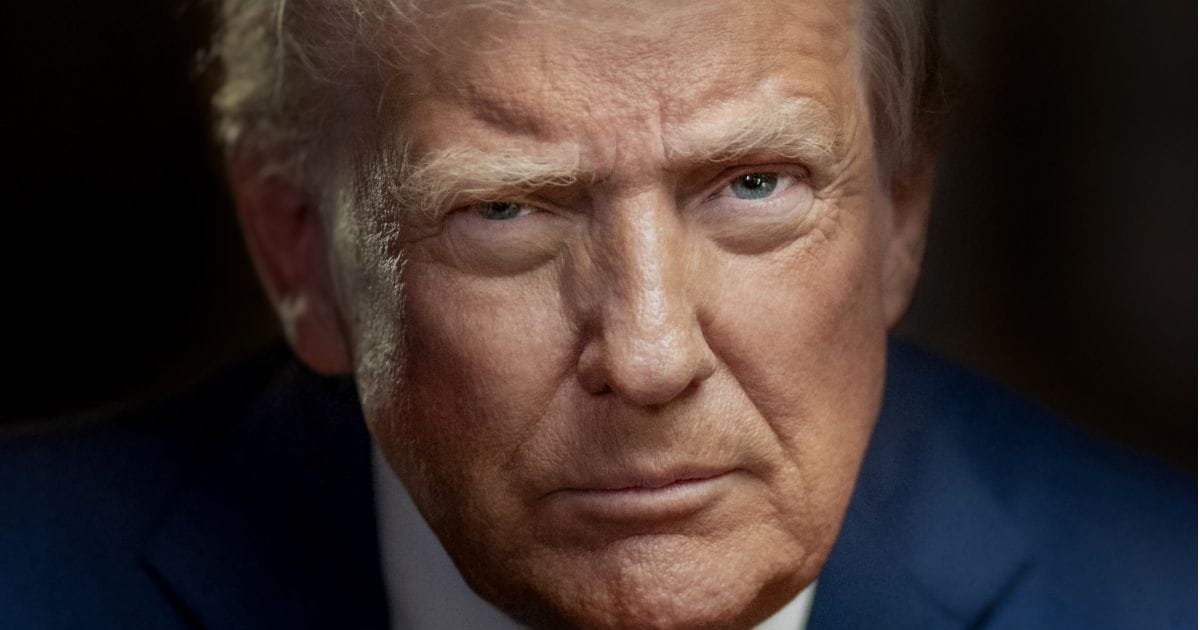
US President Donald Trump makes good on an election promise to order the reclassification of cannabis from a Schedule I controlled substance to a less restrictive category; Schedule III.
Cannabis has been a Schedule I narcotic since the early 1970’s in the USA. Drugs within this category — which include heroin — are meant to have no accepted medical use and a high abuse potential. Given the thousands of years marijuana has been used medicinally by humanity, the Schedule I status has been a misclassification to say the least; and associated restrictions have also presented major barriers to scientific research.
In September last year, Donald Trump said that as President, his administration would unlock the medical uses of marijuana by reclassifying it to Schedule III; which includes other substances such as ketamine, testosterone and codeine. Schedule III drugs have generally accepted medical uses and are considered to have “intermediate abuse potential;” i.e., less than Schedule II but more than Schedule IV.
In August this year, President Trump said his administration was looking into reclassification and would make a determination in the “next few weeks”.
“I’ve heard great things have to do with medical, and I’ve heard bad things having to do with just about everything else,” President Trump said. “It’s a very complicated subject.”
On December 18 2025, the President pulled the trigger on an Executive Order directing the reclassification; which states it is the policy of the Administration to increase medical marijuana and CBD (cannabidiol) research to better inform patients and doctors.
“… decades of Federal drug control policy have neglected marijuana’s medical uses,” states the Order. “That oversight has limited the ability of scientists and manufacturers to complete the necessary research on safety and efficacy to inform doctors and patients.”
Commenting on the Order, NORML’s Deputy Director Paul Armentano said the directive marks a long overdue change in direction. However, he also warned it still falls well short of the changes necessary to bring marijuana policy at a federal level into the 21st century.
“Specifically, rescheduling fails to harmonize federal marijuana policy with the cannabis laws of most states, particularly the 24 states that have legalized its use and sale to adults — thereby leaving those who produce, dispense, possess, or use marijuana in compliance with state laws in jeopardy of federal prosecution.”
But recreational/adult-use doesn’t appear to be something weighing on President Trump’s mind based on previous comments and those he made during the ceremony for signing the Order.
“… the order I am about to sign is not the legalization or it doesn’t legalize marijuana in any way, shape or form and in no way sanctions its use as a recreational drug. Has nothing to do with it. Just as the prescription.”
Rescheduling can’t come into effect immediately — this still needs to get through the Drug Enforcement Administration’s (DEA) formal rule-making process and the timeline in which this may occur at this stage isn’t clear.
Also commenting on the Executive Order, cannabis industry advocacy group Hemp Roundtable said:
“… we are especially pleased to see the provisions that direct the White House staff and urge Congress to ensure access to hemp-derived, full-spectrum CBD products, a lifeblood of the industry. We are also thrilled to see the development of a model that would allow a number of Medicare beneficiaries to receive CBD under doctor recommendation at no cost.”